Key Takeaway: America's Cyber Defense Agency reported more than 90% of successful cyber-attacks start with a phishing email and a study by IBM showed 95% of cybersecurity breaches are caused by human error. These mistakes include clicking on malicious links or mishandling data. This proves that phishing awareness training is your best defense.
So, what do the thieves access? They get names, credit card numbers, Social Security numbers, birth dates, addresses, and money.
Cyberattacks on large organizations get a lot of attention. But small companies are just as likely to be attacked, losing tens or even hundreds of thousands of dollars, according to Security Boulevard and BroadCom.
Why human error is the biggest cybersecurity threat to your organization
Human error is the largest cybersecurity threat to your organization. No firewall or IT policy can fully eliminate it. While your security team works hard, 95% of incidents trace back to unintentional employee actions, like clicking malicious links or using weak passwords. Employees expose organizations to risk in various ways.
How do hackers access sensitive information? Here are common threats:
-
AI-enabled threats
-
Phishing
-
Malware
-
Spyware
-
Ransomware
-
Fraud
-
Password loss
-
IT scams
-
Malicious email attachments
Any of these security threats could put your organization, and its data, at risk. The most underrated cybersecurity threat is human error.
Human error in cybersecurity refers to unintentional employee actions, such as clicking malicious links or mishandling data, that lead to breaches.
Your IT department can't always catch threats first. No security measure can stop employees from accidentally leaking information. Often, user errors come from carelessness or not following security policies.
How phishing attacks trick employees
Phishing is one of the most common method hackers use to exploit human error. Modern attacks can even fool careful employees. Criminals send fake emails that look like they come from trusted sources, tricking recipients into revealing login credentials or downloading malware.
According to Microsoft's 2025 Digital Defense Report, AI-driven phishing emails have a 54% click-through rate. In contrast, standard phishing attempts only hit 12%. That’s a 4.5 times increase!
AI helps attackers create personalized and convincing lures quickly and cheaply. As a result, today’s phishing emails are much harder to identify than the poorly written scams of the past. This makes it easier for even careful, experienced employees to be tricked.
Phishing is a cyberattack where criminals send fraudulent emails designed to trick recipients into revealing sensitive information or downloading malware.
Here's how a scammer could trick you:
-
Email notifications: You receive an invoice, receipt, or warning that looks like it's from a reliable source.
-
User actions: You are asked to click a link or download an attached file.
-
Login credentials: You are directed to login to a website—giving your login information to a scammer.
Most notifications arrive via email. So, take a moment to question their validity. A bit of skepticism could prevent you from becoming a victim.
6 warning signs of a phishing email
-
Check for a generic greeting: If it says “Dear Customer,” it may be fake.
-
Recognize scare tactics: Scammers often claim you could lose access or money if you don’t comply.
-
Watch for pressure to act: Be cautious of urgent demands like “act immediately” or “download within 24 hours.”
-
Look for typos: Spelling or grammatical errors are usually red flags.
-
Check links before clicking: Hover over a URL to see its real address.
-
Be wary of attachments: Office files often carry malware.
How to prevent cybersecurity breaches
The most effective way to prevent a cybersecurity breach is to train your employees to recognize threats before they act on them. Start by learning the most common attack methods, particularly phishing, which is responsible for the majority of breaches caused by human error.
Beyond email: A new attack type to know about
Microsoft's Digital Defense Report identified ClickFix, a new social‑engineering technique, as the most common initial‑access method in observed attacks, accounting for 47% of cases.
Unlike traditional phishing, ClickFix does not rely on a suspicious link or attachment. Instead, attackers trick users into copying a command from a fake pop‑up or support message and pasting it into their computer, where it silently executes malicious code.
The lesson: treat any prompt to copy and paste a command with the same caution you would apply to clicking an unknown link. In the end, taking a moment to be cautious is worth the effort.
How to build a phishing awareness culture
Building a security-aware culture is the most reliable way to reduce your organization's exposure to phishing attacks. Individual awareness matters, but collective vigilance is what prevents breaches. Share these four practices with your team:
-
Check your sources: Always confirm email addresses. Don’t download attachments unless they’re from trusted sources.
-
Pay attention: Cyber threats change. Review current security policies and understand how to avoid attacks.
-
Speak up: If you see something suspicious, alert IT immediately. You might help a coworker who isn’t as careful.
-
Admit your mistakes: Accidents happen. If you've made a mistake, own up to it quickly so that your security team can act quickly. And if you're using Outlook, report the email to Microsoft!
The Digital Defense Report directly reinforces this people‑first approach. Its top recommendations include upskilling the workforce, making security part of performance reviews, and enabling phishing‑resistant MFA for all accounts. The data states, MFA alone blocks over 99% of unauthorized access attempts. Technology matters, but culture, habits, and readiness are key drivers of an organization’s defenses and resilience.
At BrainStorm, we empower users and organizations to work smarter and safer. Now’s the time to strengthen your cybersecurity and software adoption with BrainStorm Threat Defense.
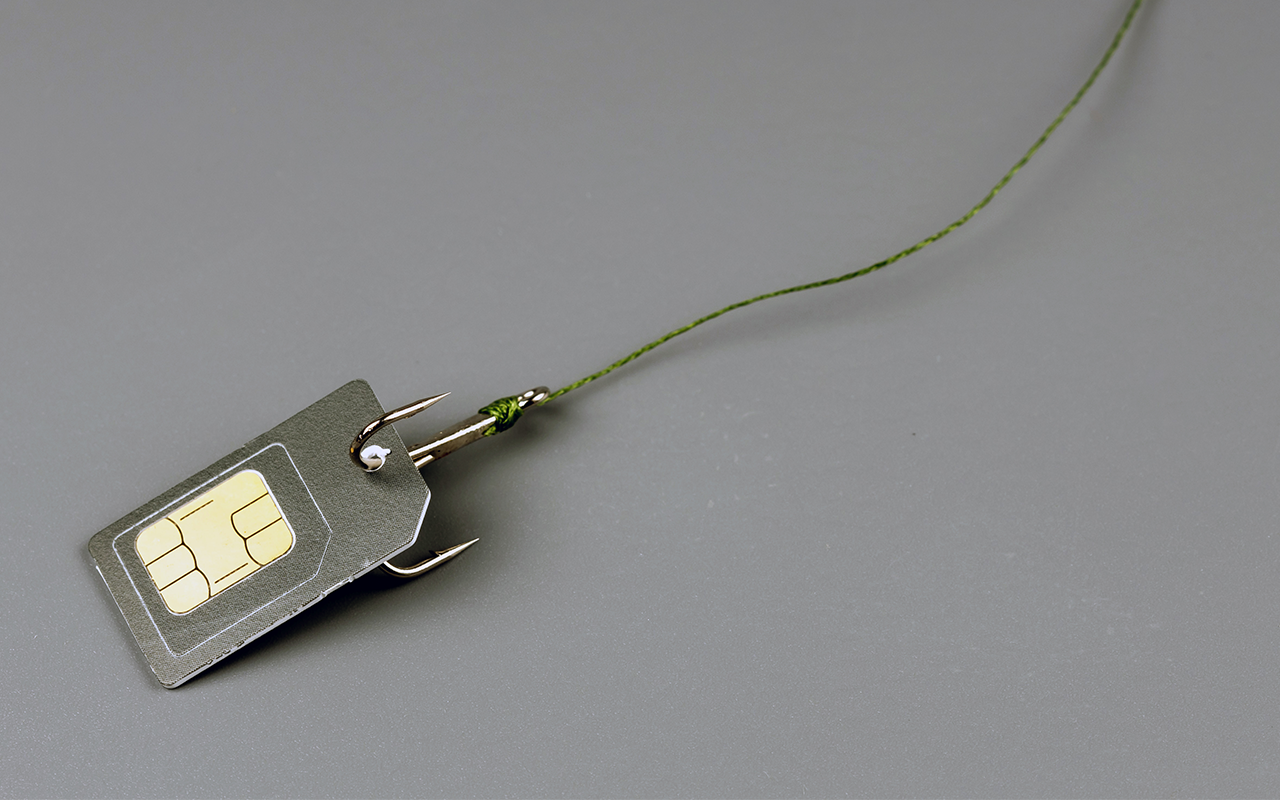
That way, 'phishing' will be just something that happens out in the middle of a lake.
Keep Reading