Get Blog Updates
AI is everywhere. Adoption isn't. What's causing the gap?
There's a quiet pattern happening inside most companies right now.
Leaders bought AI. They wrote the strategy. They announced the rollout. And six months later, they're staring at usage data and wondering why the line isn't moving the way they thought it would.
A new global research report from Google Workspace, Beyond AI Optimism: Five ways to move your business from saving time to sparking innovation, puts hard numbers behind something most leaders are feeling. The report surveyed more than 2,500 executives and knowledge workers across six markets. The findings should reframe how every leader thinks about AI investment.
The optimism gap
Executives are bullish on AI. Employees want more of it. And yet only 3% of companies are categorized as "highly transformed" by AI.
A few data points from the study that say the quiet part out loud:
- 61% of employees use AI daily. They are not the holdouts.
- 84% want their organizations to focus on AI more. The appetite is there.
- Only 1 in 3 feel prepared to adapt to AI-driven changes. The readiness is not.
- Executives are 15% more likely than employees to feel positive about AI's impact. The view from the corner office and the view from the desk are not the same view.
- A clear, evolving AI roadmap and strategy
- Widespread advocacy from the C-suite
- Communications, training, and incentives that make AI part of everyday work
- Dedicated budget for AI adoption, not just AI tools
- Well-defined and widely shared use cases
- Multiple use cases developed across functions
The story isn't that employees are resisting AI. The story is that organizations are deploying it faster than they're enabling people to use it well.
Time savings are the floor, not the ceiling
Most AI conversations stop at productivity. Faster emails. Quicker summaries. Less time spent searching. These gains are real — Google's data shows AI reduces information-search time by 40% and mundane task time by 39%. But the report makes a sharper point: time savings are the starting line, not the finish line.
Highly transformed organizations are seeing 2x the innovation, 2x the competitive advantage, and 2x the creativity of organizations still in the productivity-only mindset. The companies pulling ahead aren't using AI to do the same work faster. They're using it to do different work entirely.
That shift doesn't happen because someone bought Copilot licenses. It happens because the workforce around those licenses has been deliberately moved from access to adoption to habit.
What "highly transformed" companies do differently
The Google report identifies what separates the 3% from everyone else. The pattern isn't about tooling. It's about how the organization treats the human side of the rollout:
Notice what isn't on that list. Better models. More licenses. Newer platforms. The variables that matter are organizational, not technical.
The cost of skipping the human layer
When companies under-invest in adoption, three things happen:
- Usage stalls. Employees revert to old habits because new ones were never reinforced.
- ROI doesn't show up. Leadership starts questioning the AI investment, sometimes within the first renewal cycle.
- Shadow AI grows. Employees use AI anyway — outside policy, often with sensitive data, in ways that create real risk.
This is the moment most AI initiatives quietly stall. The tools are deployed. The intent is there. But the system to actually change how people work is missing.
How BrainStorm closes the gap
BrainStorm exists for this exact problem. AI access has been deployed at most enterprises. AI adoption has not. Closing that gap takes more than a kickoff event and a quarterly training refresher — it takes a behavior-change system designed specifically for how people learn new tools and form new habits.
Our ADOPT™ framework guides employees through the five stages that turn access into transformation:
- Awareness — employees understand a change is needed
- Desire — they're motivated to explore how AI fits their actual work
- Orientation — they learn how and when to use AI tools in their role
- Participation — they begin using AI in daily workflows
- Transformation — AI use becomes habitual, measurable, and sustained
- Audit current AI usage against your original ROI assumptions. Where's the gap?
- Identify three to five role-specific use cases your workforce can rally around
- Build a reinforcement plan that runs for months, not days
- Make adoption metrics visible to leadership alongside license utilization
- Treat AI adoption as infrastructure, not a one-time initiative
We meet employees where they already work, reinforce the right habits over time, and make adoption visible to leadership so AI ROI stops being a guess.
What to do this quarter
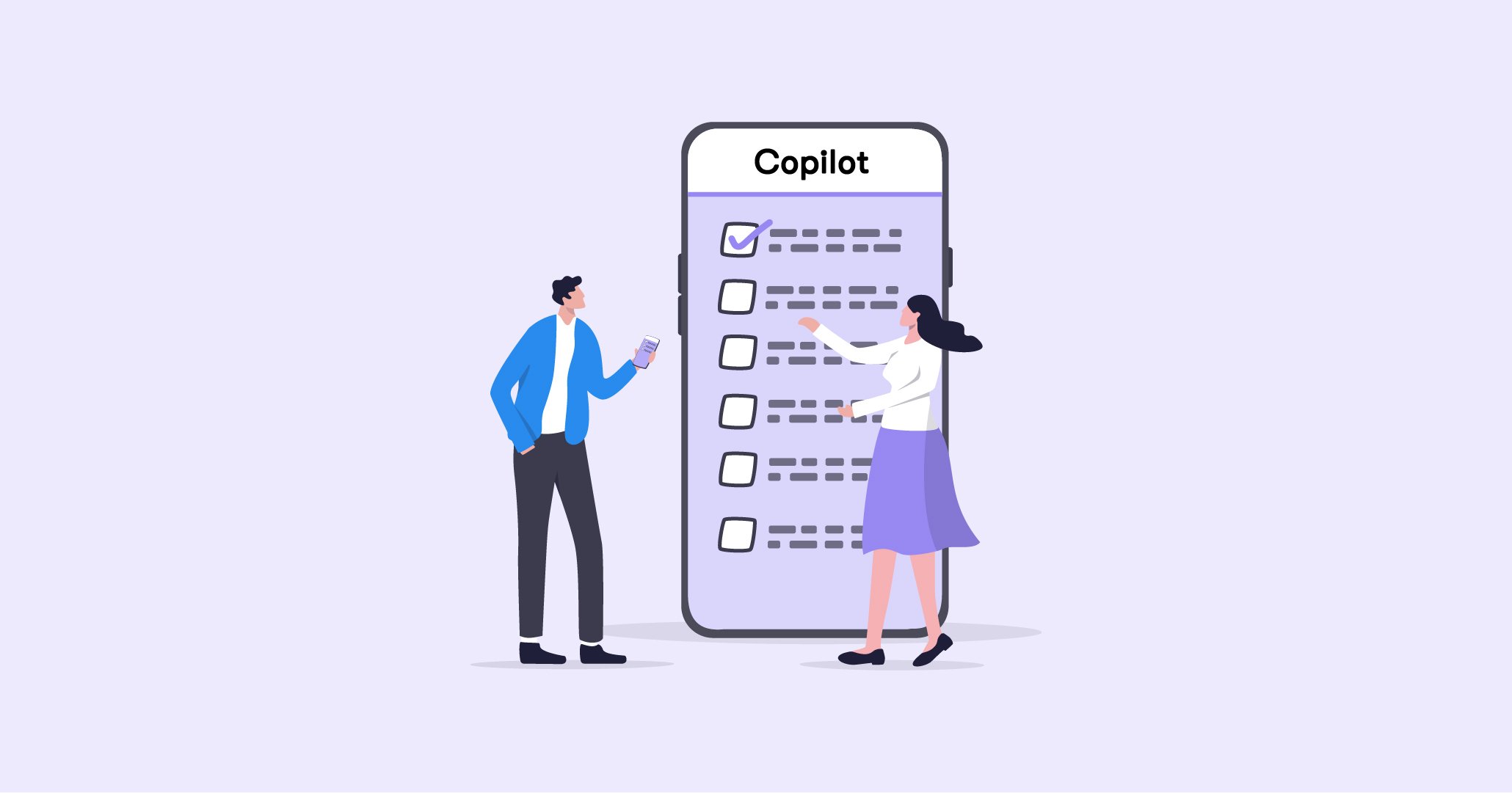
If you're a leader staring at low Copilot usage, flat AI ROI, or a workforce that's enthusiastic in surveys but unchanged in workflow, the path forward isn't more tools. It's a deliberate plan for the human layer of your AI investment.
The 3% of companies pulling ahead aren't smarter or better-funded. They've just decided that picking the right AI tool was the easy part — and that the human infrastructure around it is the actual work.